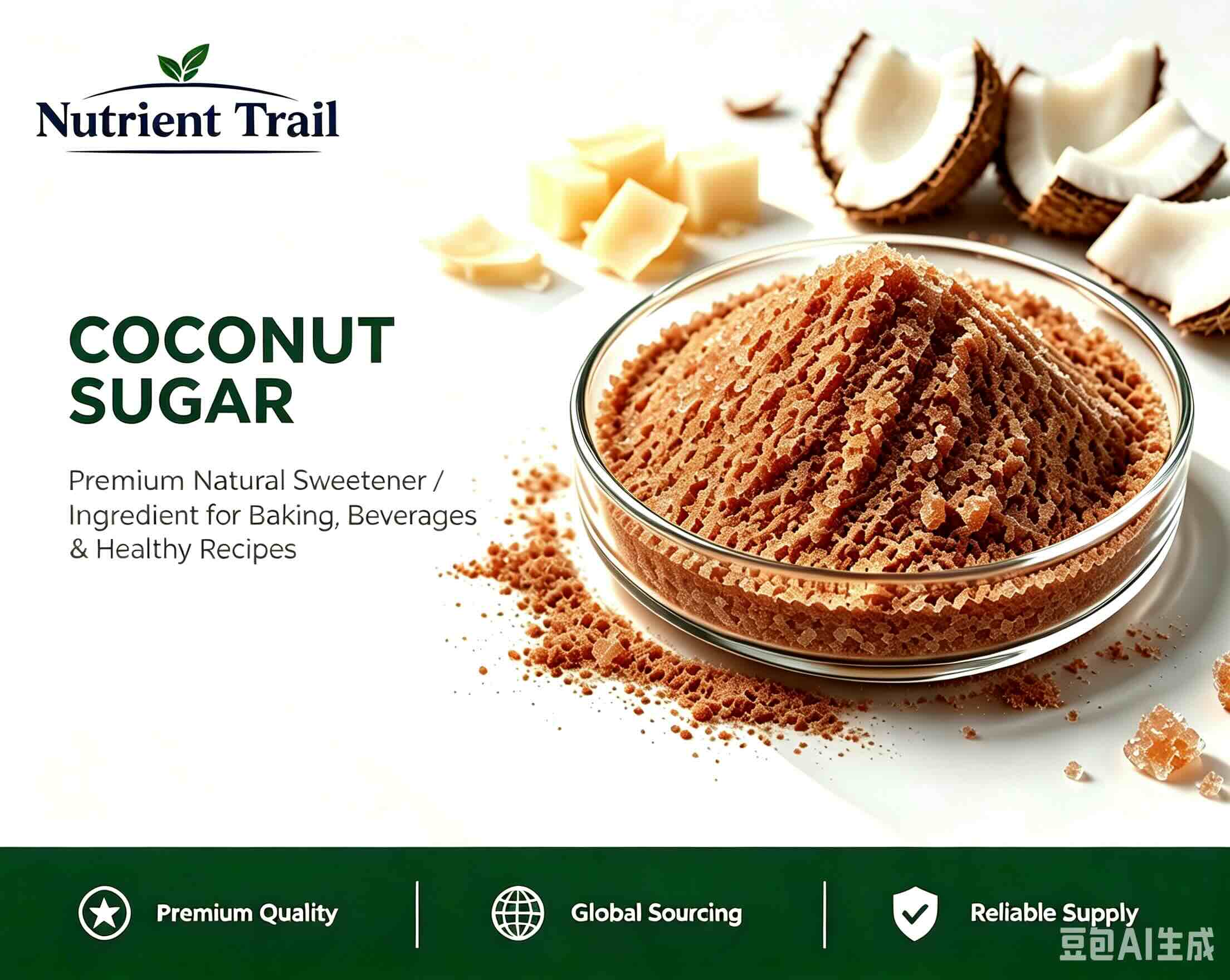
Coconut Sugar
Premium Natural Low-Glycemic Sweetener Solutions for Global Food & Wellness Product Innovation
Product Specifications
|
Item
|
Specification
|
|
Product Name
|
Coconut Sugar
|
|
Common Alias
|
Coconut Palm Sugar, Natural Coconut Nectar Sugar
|
|
Raw Material Source
|
100% Pure Coconut Palm Flower Nectar
|
|
Appearance
|
Light Amber to Natural Brown Granules or Fine Powder
|
|
Assay
|
100% Unrefined Natural Coconut Sugar, No Added Fillers
|
|
Key Nutrient Marker
|
Contains Rich Natural Minerals & Inulin
|
|
Test Method
|
HPLC / AOAC Standard Food Testing Protocol
|
|
Shelf Life
|
24 Months
|
|
Storage Condition
|
Store in a Cool, Dry Place, seal tightly after opening to prevent moisture caking
|
|
Why Is Coconut Sugar So Popular?
The growing popularity of coconut sugar is closely linked to the global consumer shift away from highly refined sweeteners, paired with the rising demand for plant-based, minimally processed, low-glycemic natural sweetener alternatives. Coconut sugar is made by gently heating and evaporating the fresh nectar collected from the blossoms of the coconut palm tree, and it naturally retains a full spectrum of beneficial nutrients that are stripped out during white sugar refining. It plays an essential role in:
-
Providing balanced mild sweet taste without sharp sugar spikes
-
Delivering low-glycemic energy release
-
Preserving natural plant minerals and trace elements
-
Supporting sustainable, eco-friendly agricultural supply chains
-
Bringing subtle caramel nutty aroma to food formulations
Market research and industry application have confirmed that highly refined white sugar and many synthetic sweeteners often lack nutritional value, carry high glycemic load, or come with noticeable unnatural aftertastes. As a result, food and wellness manufacturers have widely adopted pure natural coconut sugar as an ideal clean-label sweetener choice, making it a core ingredient in modern whole food based low-sugar formulation systems.
Key Benefits of Coconut Sugar
-
Naturally Low Glycemic Profile
Pure coconut sugar has a confirmed GI (Glycemic Index) value of only 35, far lower than the 60+ GI of refined white sugar. Its natural slow-absorption characteristics help avoid rapid post-consumption blood glucose spikes, delivering stable sustained energy release without the subsequent sugar crash. This makes it an ideal sweetener option for consumers prioritizing gentle blood sugar management.
-
Retains Full Natural Nutrient Content
Unlike refined white sugar that only provides empty calories, minimally processed coconut sugar naturally contains a range of beneficial nutrients: potassium, magnesium, zinc, iron, B-complex vitamins, and a significant amount of inulin soluble fiber, adding extra nutritional value that does not exist in ordinary refined sweeteners.
-
Distinct Rich Layered Flavor
Coconut sugar delivers a smooth, mellow sweet taste with subtle notes of caramel, butterscotch and gentle nutty aroma, no harsh bitter aftertaste, perfectly elevating the flavor depth of baked goods, beverages and desserts, far beyond the single flat taste of regular white sugar.
-
100% Clean Label Plant-Based
Premium unrefined coconut sugar is 100% vegan, no added artificial additives, no preservatives, no synthetic flavors, no anti-caking agents, fully meeting the strict clean-label requirements of natural food consumers, and is naturally suitable for vegetarian, paleo, and whole food dietary systems.
-
Outstanding Processing Stability
Coconut sugar has excellent heat resistance that fits most common food production scenarios, perfect for high-temperature baking, syrup making, beverage brewing and various food processing workflows, it can be used as a direct 1:1 substitute for white sugar in almost all conventional home and industrial recipes.
-
Wide Application Scenarios
Coconut Sugar is widely used across multiple product categories, including:
-
Low-Glycemic Natural Sweetener Daily Products
-
Premium Clean Label Baked Goods & Pastries
-
Plant-Based Beverages, Coffee Creamers & Specialty Drinks
-
Granola, Cereal Bars & Breakfast Oatmeal Blends
-
Paleo & Whole Food Wellness Formulas
-
Natural Gourmet Seasoning & Sauce Production
-
Children's Natural Low-Additive Snack Products
Common end product forms that integrate the ingredient include: tabletop sweetener pouches, baking ingredient packs, flavored syrup, granola bars, natural confectionery, specialty coffee sweetener blends, and organic gourmet food gift sets.
Coconut Sugar vs Other Sweetener Ingredients
While the natural sweetener category continues to expand, Coconut Sugar remains one of the most recognized, minimally processed, and consumer-trusted whole food sweetener options available for brands:
|
Ingredient
|
Primary Function
|
|
Coconut Sugar
|
Low-glycemic whole food natural sweetener with extra nutrients
|
|
Refined White Sugar
|
High glycemic empty calorie sweetener
|
|
Erythritol
|
Zero-calorie polyol sweetener
|
|
Maple Syrup
|
Tree sap derived liquid natural sweetener
|
|
Steviol Glycosides
|
High intensity zero-calorie stevia extracted sweetener
|
|
Date Sugar
|
Dried whole date derived whole food sweetener
|
|
Many brands combine coconut sugar with complementary natural dietary fiber and plant ingredients to create differentiated premium clean-label sweetener blends that cater to health-conscious consumer demands.
Booming Market Opportunity
The global clean-label whole food and low-glycemic sweetener market continues to experience strong growth as consumers increasingly prioritize natural origin ingredients and low-sugar preventive wellness strategies. Several key trends are fueling the soaring demand for high-quality coconut sugar:
-
Rapid growth of the organic and natural gourmet food market
-
Rising public focus on low glycemic eating and steady blood sugar management
-
Expanding market share of plant-based, vegan and paleo dietary product lines
-
Increasing consumer rejection of highly refined sugar and artificial sweeteners
-
Rising global attention to sustainable ethical agricultural sourced food ingredients
As a result, coconut sugar remains one of the most commercially attractive foundational ingredients for brands developing next-generation natural wellness and premium food products.
Frequently Asked Questions
1
.What is Coconut Sugar?
Coconut sugar is a minimally processed natural whole food sweetener made by gently evaporating the fresh nectar collected from the blossoms of coconut palm trees, it retains the natural minerals and mild caramel flavor of raw coconut palm sap, with a low glycemic load far better than refined white sugar.
2.Is coconut sugar suitable for special dietary groups?
Yes. Pure unrefined coconut sugar is verified non-GMO, gluten-free, 100% vegan, no common allergen components, can be safely applied to vegetarian, paleo, low-sugar, children's and other special dietary systems.
3.Can coconut sugar be directly substituted for white sugar in recipes?
Yes, coconut sugar can be used as a 1:1 direct replacement for white sugar in almost all conventional baking, beverage making and home cooking recipes with no extra recipe adjustment needed.
4.What formulations can coconut sugar be used in?
It is suitable for tabletop sweetener, baked goods, coffee and tea beverages, cereal bars, natural confectionery, seasoning sauces, snack products and almost all natural whole food application scenarios.
5.What is the typical quality specification of premium coconut sugar?
High quality food grade coconut sugar is produced with 100% pure coconut nectar raw material, no added cane sugar, no artificial additives, with natural moisture content controlled under 3%, to ensure long shelf life and no easy caking issue.
Looking for a Reliable Coconut Sugar Supplier?
As demand for natural whole food and clean label low-glycemic products continues to grow, ingredient natural origin traceability, flavor consistency, and supply chain reliability have become increasingly important for food, beverage and supplement brands and manufacturers. Nutrient Trail supplies premium grade natural origin Coconut Sugar designed for dietary supplement, functional food, and gourmet food applications. Comprehensive technical documentation, including full product specifications, third-party test reports and quality control system certification materials, is available to support your full product development and commercialization process.