Oat Flour
Nutrition Premium Ingredient Solutions for Global Health & Wellness
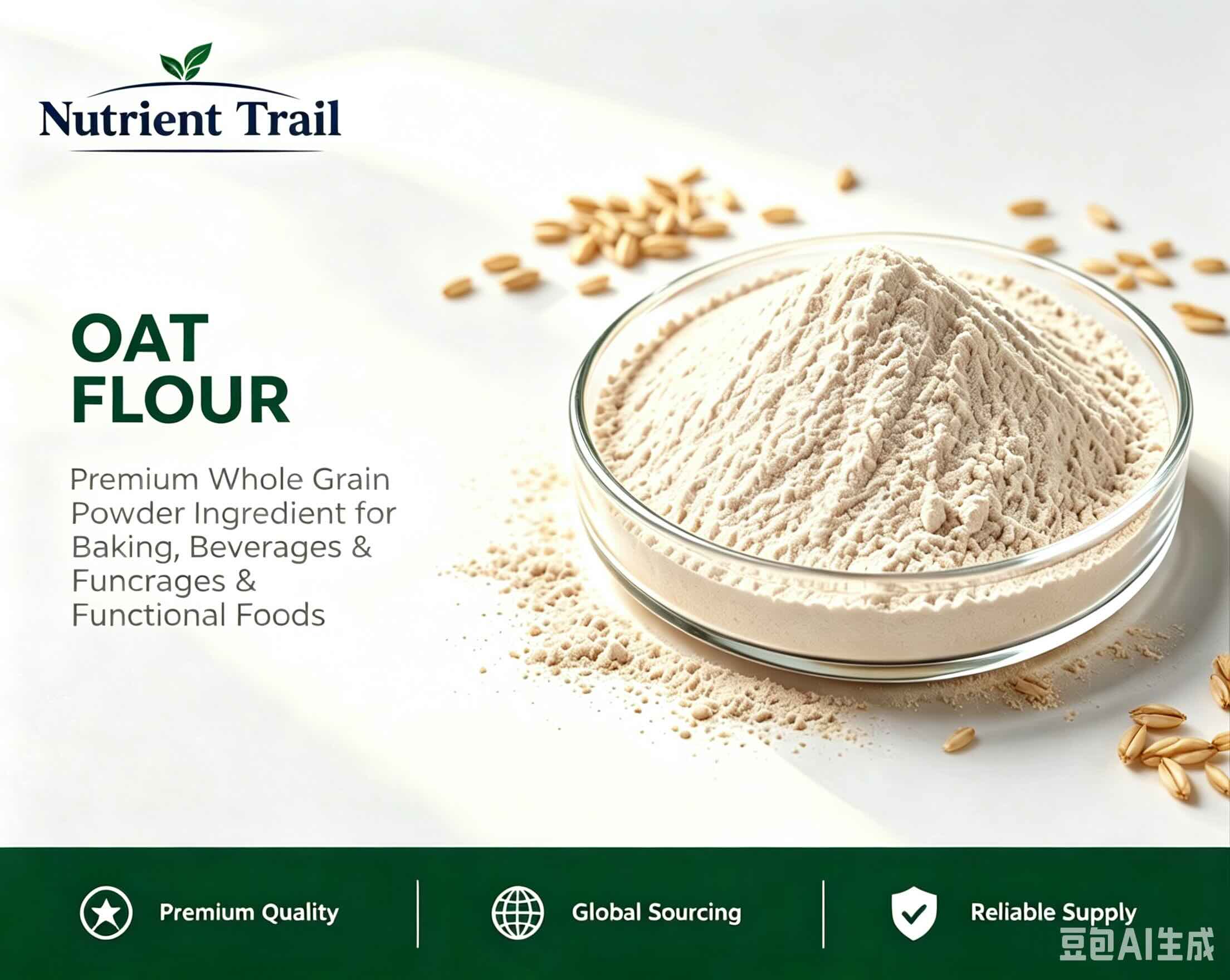
The Fiber-Rich Whole Grain Staple Powering Plant-Based Wellness and Balanced Daily Nutrition
Product Specifications
|
Item
|
Specification
|
|
Product Name
|
Oat Flour
|
|
Abbreviation
|
Whole Oat Powder
|
|
Common Alias
|
Pure Whole Grain Oat Flour
|
|
Raw Material Source
|
Premium Hulled Whole Oat Kernels
|
|
Appearance
|
Uniform Light Cream Yellow Fine Powder
|
|
Fineness
|
100% Pass 80 Mesh Sieve
|
|
Beta-Glucan Content
|
≥4%
|
|
Shelf Life
|
12 Months (Vacuum Sealed)
|
|
Storage Condition
|
Store in a Cool, Dry, Airtight Place, Away from Direct Sunlight and High Humidity
|
|
Why Is Oat Flour So Popular?
The growing popularity of Oat Flour is closely linked to rising global consumer demand for clean-label, minimally processed whole grain ingredients, as more people shift away from highly refined wheat flour to seek staple foods that deliver balanced, long-term nutritional benefits. As a nutrient-dense flour milled directly from whole, hulled oat kernels without removing the bran and germ layers, Oat Flour supports hundreds of positive physiological functions across the human body:
-
Delivering soluble beta-glucan to support healthy cardiovascular function
-
Providing sustained dietary fiber to extend satiety and regulate digestive health
-
Supplying plant-based protein, B vitamins and essential minerals for daily nutritional needs
-
Supporting steady post-meal blood sugar levels with its low glycemic index properties
-
Acting as a perfect natural wholegrain alternative to enrich plain refined flour products
-
Offering a mild, nutty flavor that fits seamlessly into all kinds of daily food recipes
Modern consumers are increasingly aware that long-term consumption of overly refined grain products may lead to nutrient deficiency and unstable energy levels, driving widespread adoption of Oat Flour as a core staple in modern clean eating, plant-based and balanced diet patterns. This strong market recognition has made Oat Flour a cornerstone of today's whole grain nutrition and healthy baking formulations.
Key Benefits of Oat Flour
-
Supports Long-Lasting Satiety and Digestive Wellness
Loaded with both soluble and insoluble dietary fiber, Oat Flour slows down the digestion and absorption of carbohydrates, keeps you full for far longer than refined wheat flour products, and gently supports regular intestinal movement to maintain a healthy digestive tract environment.
-
Promotes Cardiovascular Health
The natural beta-glucan rich in whole oats has been widely validated to help maintain healthy blood cholesterol levels, supporting long-term cardiovascular wellness as part of a balanced daily diet.
Stabilizes Post-Meal Blood Sugar
With a much lower glycemic index than refined wheat flour, Oat Flour prevents sharp blood sugar spikes after meals, making it an ideal ingredient for people following balanced nutrition plans or managing healthy glucose levels.
-
Provides Well-Rounded Daily Nutrients
It retains all natural nutrition from whole oat kernels, including high-quality plant protein, B vitamins, magnesium, iron and zinc, to supplement the missing trace nutrients that are lost during refined wheat processing, supporting steady daily energy supply.
-
Adapts to Diverse Baking and Daily Cooking Scenarios
Oat Flour carries a soft, mild grainy aroma that does not overpower other ingredients, can be partially or fully substituted for wheat flour in most recipes, adding extra nutritional value to breads, cookies, pancakes, porridges and even savory dishes without adding any artificial additives.
Applications
Oat Flour is widely used across multiple product categories, including:
-
Whole Grain Baking Premixes
-
Plant-Based Convenient Meal Products
-
High Fiber Nutrition Porridge and Cereal Blends
-
Baby and Toddler Complementary Nutritional Foods
-
Low Glycemic Index Staple Food Products
-
Premium Snack Bar and Energy Ball Raw Materials
Common finished product formats include:
Bread, Muffins, Cookies, Pancakes, Flatbreads, Nutrition Bars, Instant Porridge Blends, Baby Food Puree Mixes
Oat Flour vs Other Common Baking Flour Variants
While the whole grain alternative flour category continues to expand rapidly, Oat Flour remains one of the most recognized, cost-effective and widely accepted whole grain staple ingredients on the global market today.
|
Ingredient
|
Primary Function
|
|
Oat Flour
|
Whole Grain Nutrition + Beta-Glucan for Heart and Digestive Support
|
|
Refined Wheat Flour
|
Traditional General Purpose Baking Raw Material
|
|
Whole Wheat Flour
|
Wheat Based Whole Grain Flour
|
|
Almond Flour
|
Low Carb, Gluten Free Nut Derived Flour
|
|
Coconut Flour
|
Ultra High Fiber Tropical Plant Flour
|
|
Buckwheat Flour
|
Grain Free Pseudocereal Flour
|
|
Many leading healthy food brands combine Oat Flour with complementary ingredients such as other whole grain flours, dried fruits, nuts and plant proteins to create comprehensive well-balanced nutritional staple food products.
Market Opportunity
The global whole grain food, clean label baking and convenient healthy meal market continues to experience strong year-over-year growth, as consumers increasingly prioritize long-term balanced nutrition and preventive health strategies. Several key trends are fueling demand for Oat Flour:
-
Growing public awareness of the health benefits of whole grain diets
-
Global rising demand for plant-based, clean label staple food ingredients
-
Expanding consumer groups paying attention to cardiovascular health management
-
Rapid growth of the convenient balanced meal and homemade home baking market
-
Increasing preference for minimally processed ingredients that retain all natural nutrients
As a result, Oat Flour remains one of the most commercially attractive ingredients for brands developing next-generation whole grain healthy staple food and baking products.
Frequently Asked Questions
1.What is Oat Flour?
Oat Flour is a whole grain fine powder milled directly from 100% hulled whole oat kernels, retaining all the bran, germ and endosperm of the raw oat, naturally rich in beta-glucan, dietary fiber and plant protein, it is one of the most popular nutrient-dense alternatives to refined wheat flour.
2.Is Oat Flour gluten free?
Pure Oat Flour made from 100% whole oats does not naturally contain gluten, but cross contamination with wheat, barley or rye during growing and processing may occur. For consumers requiring strictly gluten free products, it is recommended to choose third party certified gluten free Oat Flour products.
3.What is the difference between Oat Flour and rolled oats?
Rolled oats are made by steaming and flattening whole oat kernels, which need to be cooked for a period of time before consumption. Oat Flour is ground into fine powder, which has faster cooking speed, smoother texture, and can be directly added to various baking recipes as a flour substitute.
4.What food products can Oat Flour be used in?
Oat Flour is suitable for making bread, muffins, cookies, pancakes, nutrition bars, instant porridge blends, and can also be added to smoothies, meatballs and baby complementary foods to boost overall dietary fiber and nutrition content.
5.What fineness level is typically available for food grade Oat Flour?
Premium food grade Oat Flour for baking and nutrition product use is commonly produced to pass 80 mesh or even 100 mesh sieve standards, delivering a fine, non-gritty eating experience suitable for all kinds of finished product scenarios.
Looking for a Reliable Oat Flour Supplier?
As demand for whole grain healthy baking and balanced nutrition products keeps growing, ingredient quality, consistency, and supply reliability have become increasingly critical for healthy food brands and manufacturers. Nutrient Trail supplies premium high quality Oat Flour designed for functional food, baking premix, and nutritional product applications. Comprehensive technical documentation, including specifications, COA, and full quality related information, is available to support your product development and full commercialization process.